
Visitors decide very quickly whether a business looks credible. Before they read your pricing or your list of services, they have already formed an impression from your photography, your layout and the care visible in every detail. Polished, consistent visuals tell a buyer that the people behind them pay attention. Inconsistent, rushed visuals tell them the opposite, however good the product is.
The problem most businesses face is not knowing this. It is producing high-quality content at the pace modern channels demand. A website, a few social platforms, email campaigns and ads all need fresh assets every week. Without a system, quality slips as volume rises.
This note covers the system Jayesh and our team use to deliver premium content at a steady pace: how to define the standard, plan production in batches, and get many assets out of every shoot.
Why visual quality builds trust
Good visuals do three commercial jobs.
They signal care. Buyers use what they can see as evidence for what they cannot. Clean, well-lit product images and considered layouts suggest the same care goes into delivery and service.
They reduce uncertainty. Clear images that show scale, texture, use and detail answer questions before they are asked. That is especially true online, where customers cannot touch the product.
They build recognition. When every asset shares the same light, colour, framing and tone, people start to recognise your work in a feed before they see your name. Recognition lowers the effort each new campaign needs to get noticed.
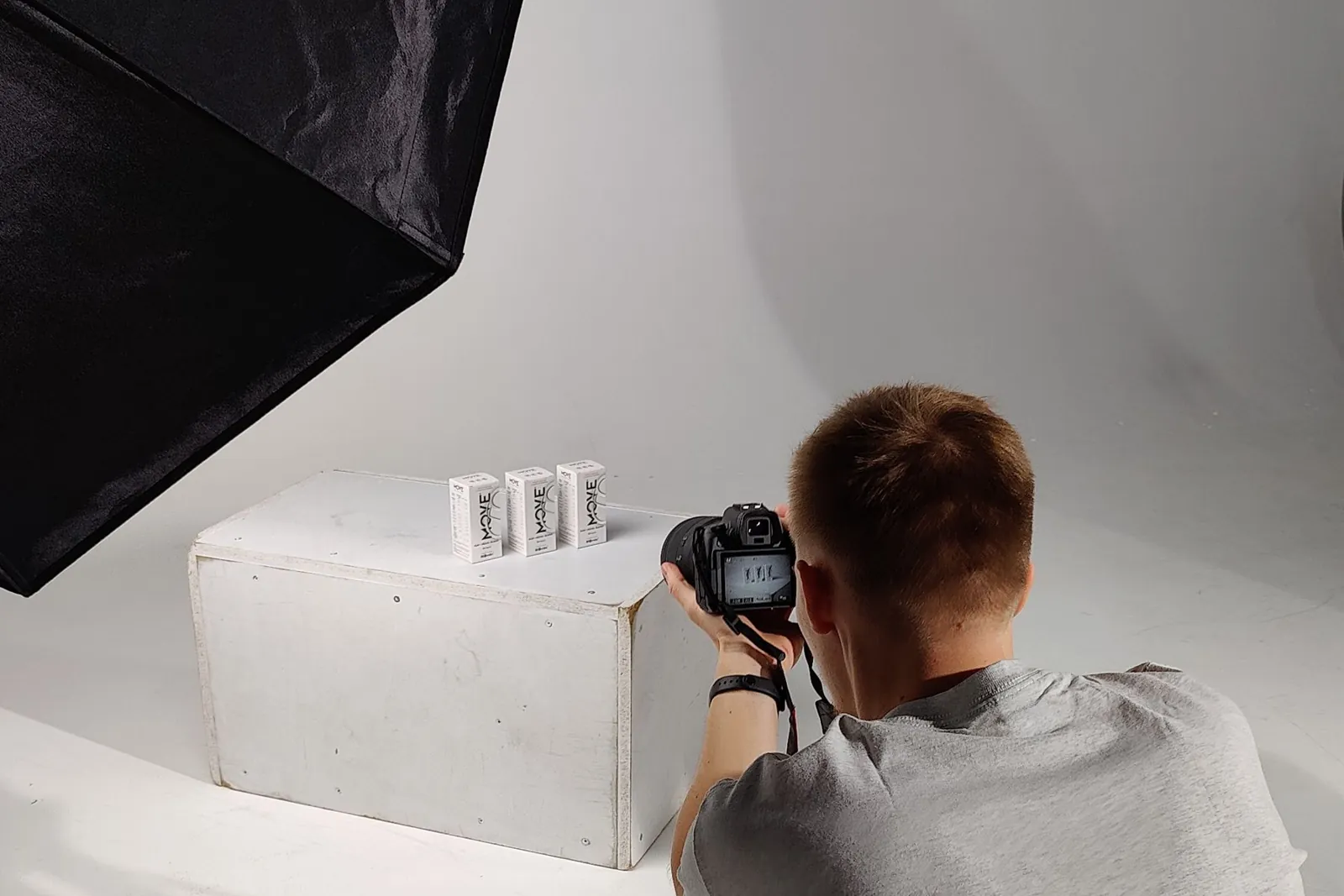
Step 1: Write the standard down
"Premium" means nothing until it is specific. Create a one-page visual standard that anyone, including a freelancer on their first day, could follow. It should cover:
- Light: natural or studio, soft or contrasted, warm or neutral.
- Colour: your palette, how backgrounds and props relate to it, and how images are graded.
- Composition: preferred angles, how much space around the subject, how people appear in frame.
- Subjects: what you show and, just as important, what you never show.
- Copy tone: three adjectives for how you sound, with an example sentence for each.
- References: six to ten images that capture the standard, and three that show what to avoid.
Every asset is checked against this page before it goes out. It is the simplest quality control there is.
Step 2: Plan by month, produce in batches
Content made one post at a time is slow and uneven. Batching changes the economics.
- Monthly plan. At the start of each month, map the key moments: launches, offers, seasonal themes and evergreen topics. Decide which channels need which assets.
- Shot list. Turn the plan into a list of every image and clip required, with format and crop noted. Group shots by set-up, so lighting is changed as few times as possible.
- One production day. Shoot the whole list in one focused session. A well-run day can produce dozens of finished images and short clips.
- Edit and grade together. Process the batch in one sitting with one grade, so everything matches.
- Write copy in a block. Draft captions, headlines and email copy for the month in one or two sessions, while the theme is fresh.
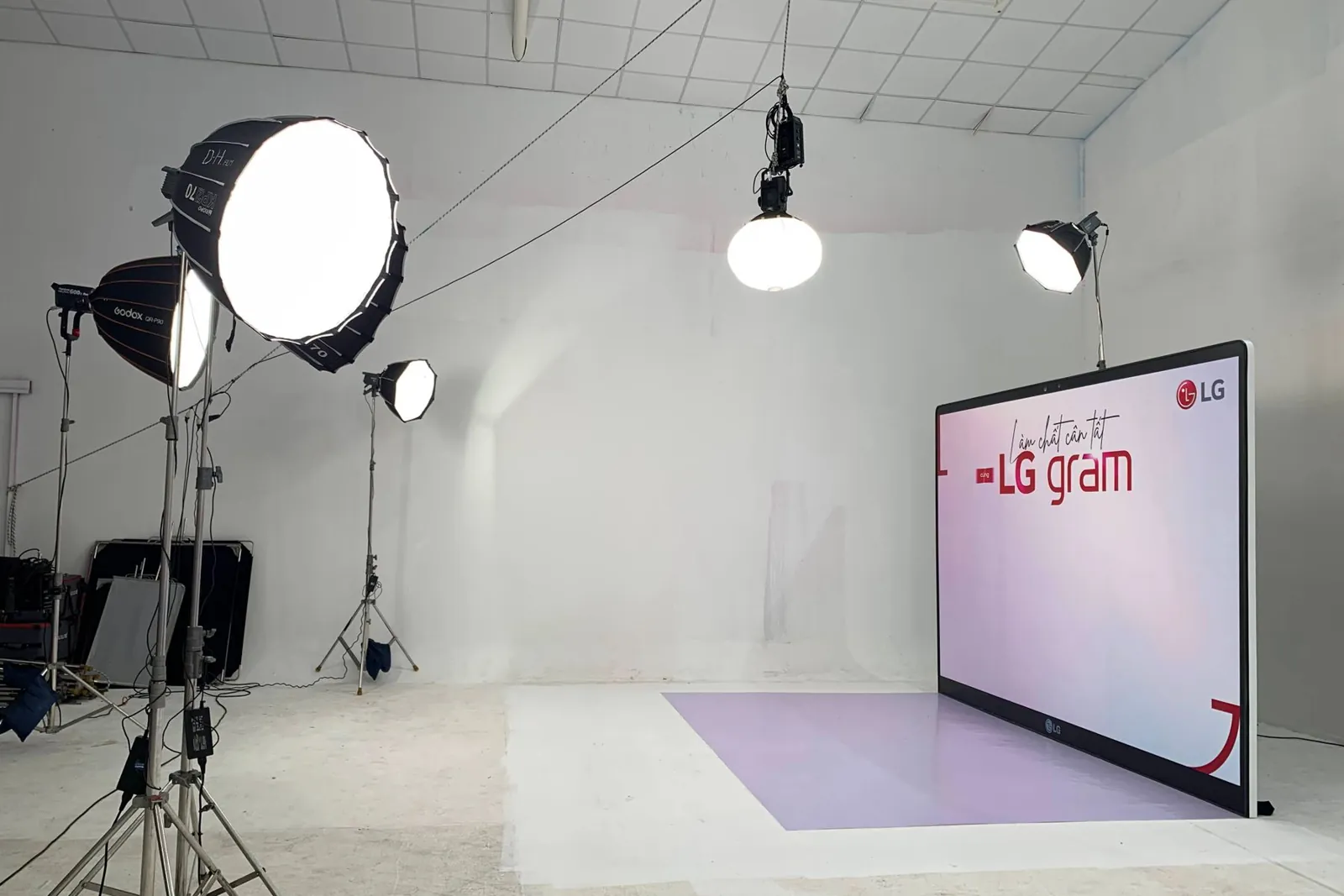
Step 3: Shoot once, publish many times
Every strong shot can be used in several places. When planning, think of each set-up as a family of assets rather than a single picture:
- A hero image in landscape for the website.
- A square or portrait crop for social feeds.
- A vertical version with room for text for stories and short video.
- A detail close-up for product pages and ads.
- A short clip of the same set-up in motion.
Frame each shot with crops in mind. Leave space around the subject so it can be cropped to every format without cutting off something important.
Step 4: Build a simple asset library
Many businesses already have good content; they just cannot find it. A shared library pays for itself within weeks. Keep it simple:
- One folder per month or campaign, with sub-folders for raw files and finals.
- A consistent naming pattern, for example date, product, format and version.
- Licence notes on every image you did not create yourself, including where it came from and how it may be used.
- A "best of" folder holding the strongest assets, ready for quick reuse.
Step 5: Review against results, not opinion
Once a month, look at which assets performed best on each channel. On social, look at saves and shares as well as likes. In ads, look at click-through and cost per result. On product pages, look at add-to-cart rate where you can measure it.
Note what the winners have in common. It might be people in frame, a particular angle, a lighter background or a specific line of copy. Feed those patterns into next month's shot list. Over a few cycles, your content gets better at its job, not just better-looking.

A production checklist you can use
Before the shoot:
- Monthly plan agreed, with channels and formats confirmed.
- Shot list grouped by set-up, with crops noted.
- Products prepared: cleaned, steamed, labelled correctly.
- Props and backgrounds checked against the visual standard.
On the day:
- First frame from each set-up checked on a large screen before continuing.
- Every shot captured with space for alternative crops.
- Short clips recorded for each set-up.
After the shoot:
- One grade applied across the batch.
- Assets exported for each format and named consistently.
- Copy written for the month and reviewed for tone.
- Everything filed in the library with licence notes.
Common mistakes to avoid
- Chasing trends that do not fit the brand. Short-term attention at the cost of long-term recognition is a poor trade.
- Mixing styles. Phone snaps beside studio images make both look worse.
- Shooting without a list. You will come home with forty images of the easy product and none of the difficult one.
- Ignoring copy. A premium image with a careless caption still looks careless.
Want this done for your business?
Jayesh and our team can review where you are today and turn the steps in this note into a clear plan, then carry it out with you. Tell us a little about your business and what you want to improve. The first call is free and there is no obligation. We reply within one working day.